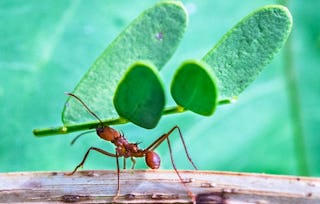
In this course we will examine the incredible variety of life that inhabits this planet including microorganisms, plants, and animals. For each of the major groups we’ll learn about their characteristics, functions, and how they came into existence as well as some of the roles they play in the natural world, and how they’re relevant to people. We’ll also take a close look at us humans and consider what we know about our origins and what might become of us in the future.

Introduction to Biology: Biodiversity

Introduction to Biology: Biodiversity
This course is part of Introduction to Biology: Ecology, Evolution, & Biodiversity Specialization

Instructor: Scott Solomon
Top Instructor
6,400 already enrolled
Included with
Gain insight into a topic and learn the fundamentals.
77 reviews
Beginner level
Recommended experience
Flexible schedule
2 weeks at 10 hours a week
Learn at your own pace
97%
Most learners liked this course
What you'll learn
Origins, characteristics, and functions of major groups of life; the roles they play in the natural world; and how they are related to people
Details to know

Shareable certificate
Add to your LinkedIn profile
Taught in English
91% of learners achieved a positive career outcome
See how employees at top companies are mastering in-demand skills

Build your subject-matter expertise
This course is part of the Introduction to Biology: Ecology, Evolution, & Biodiversity Specialization
When you enroll in this course, you'll also be enrolled in this Specialization.
- Learn new concepts from industry experts
- Gain a foundational understanding of a subject or tool
- Develop job-relevant skills with hands-on projects
- Earn a shareable career certificate

There are 8 modules in this course
Earn a career certificate
Add this credential to your LinkedIn profile, resume, or CV. Share it on social media and in your performance review.
Instructor
Instructor ratings
(25 ratings)Offered by


Explore more from Environmental Science and Sustainability
Rice University
University of Cape Town
University of Colorado Boulder
Universiteit Leiden
Why people choose Coursera for their career

Felipe M.
Learner since 2018
"To be able to take courses at my own pace and rhythm has been an amazing experience. I can learn whenever it fits my schedule and mood."

Jennifer J.
Learner since 2020
"I directly applied the concepts and skills I learned from my courses to an exciting new project at work."

Larry W.
Learner since 2021
"When I need courses on topics that my university doesn't offer, Coursera is one of the best places to go."

Chaitanya A.
"Learning isn't just about being better at your job: it's so much more than that. Coursera allows me to learn without limits."
Learner reviews
- 5 stars
92.30%
- 4 stars
2.56%
- 3 stars
3.84%
- 2 stars
0%
- 1 star
1.28%
Showing 3 of 77
AL
Reviewed on Jan 8, 2026
Very instructive videos with the option of delving into greater detail through optional readings.
KM
Reviewed on Oct 18, 2024
I really like this course! Was very exciting stuff to learn... Thank you to the professor!!
AD
Reviewed on Jun 24, 2024
The professor was great at explaining each topic. All articles needed for the topics were provided which was wonderful for reading in your spare time.
Advance your career with an online degree
Earn a degree from world-class universities - 100% online




¹ Some assignments in this course are AI-graded. For these assignments, your data will be used in accordance with Coursera's Privacy Notice.