Results for "art history"

The Museum of Modern Art
Skills you'll gain: Photography, Art History, Critical Thinking and Problem Solving, Performing Arts, Creativity, Photo/Video Production and Technology, Visual Storytelling, Aesthetics, Electronic Media, Liberal Arts, Media and Communications, Cultural Diversity, Cultural Responsiveness, Cultural Sensitivity, Multimedia, Storytelling, Social Justice, Diversity Awareness, Design, Social Studies
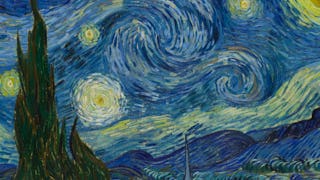
The Museum of Modern Art
Skills you'll gain: Art History, Critical Thinking and Problem Solving, Visual Storytelling, Creativity, Cultural Diversity, Social Justice, Diversity Awareness, Emotional Intelligence
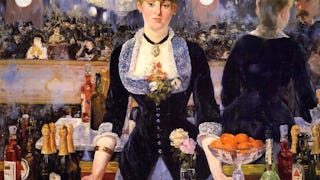
Wesleyan University
Skills you'll gain: Aesthetics, Art History, European History, Liberal Arts, Social Studies, World History, Culture, Political Sciences, Sociology
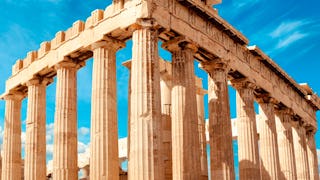
Universidad de Palermo
Skills you'll gain: Art History, Ancient History, Aesthetics, Culture, World History, Liberal Arts, Social Studies, European History, Mathematics Education

Università Bocconi
Skills you'll gain: Leadership and Management, Branding, Business Management, Brand Management, Brand Strategy, Brand Loyalty, Data Strategy, Fundraising, Data-Driven Decision-Making, Marketing, Consumer Behaviour, Customer Engagement, Target Audience
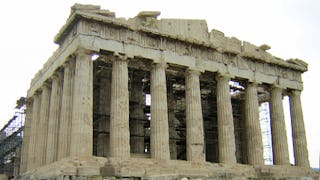
University of Pennsylvania
Skills you'll gain: Ancient History, Art History, Liberal Arts, World History, Aesthetics, Performing Arts, Ethical Standards And Conduct, Anthropology, Sociology, Oral Expression, Psychology
What brings you to Coursera today?
Universitat de Barcelona
Skills you'll gain: Legal Research, European History, World History, Social Studies, Research, Cultural Diversity, Liberal Arts, Science and Research, Anthropology

The Museum of Modern Art
Skills you'll gain: Cultural Diversity, Cultural Sensitivity, Aesthetics, Design, Social Studies, Art History, Sustainable Development, Environmental Issue, Sustainability Standards, Non-Verbal Communication, Sociology, Creativity, 3D Modeling, World History, Social Impact
The Museum of Modern Art
Skills you'll gain: Performing Arts, Creativity, Art History, Aesthetics, Electronic Media, Liberal Arts, Multimedia, Cultural Responsiveness, Design

Yale University
Skills you'll gain: Ancient History, Art History, Architectural Design, Architecture and Construction, Architectural Engineering, Building Design, Civil Engineering, European History, World History, Aesthetics, Case Studies, Design Elements And Principles

The Museum of Modern Art
Skills you'll gain: Design Thinking, Student Engagement, Creative Thinking, Teaching, Instructional Strategies, Student-Centred Learning, Creativity, Liberal Arts, Curriculum Planning, Self-Awareness, Aesthetics, Art History, Curriculum Development, Empathy, Learning Styles, Social Impact, Learning Strategies, Emotional Intelligence, Communication Strategies, Literacy

University of Virginia
Skills you'll gain: European History, World History, International Relations, Social Sciences, Political Sciences, Economics, Economic Development, Liberal Arts, Socioeconomics, Diplomacy, Culture, Governance
In summary, here are 10 of our most popular art history courses
- Modern and Contemporary Art and Design: The Museum of Modern Art
- Modern Art & Ideas: The Museum of Modern Art
- The Modern and the Postmodern (Part 1): Wesleyan University
- Historia del Arte: Del Arte Prehistórico al Renacimiento: Universidad de Palermo
- Arts and Heritage Management: Università Bocconi
- Greek and Roman Mythology: University of Pennsylvania
- Magic in the Middle Ages: Universitat de Barcelona
- Fashion as Design: The Museum of Modern Art
- What Is Contemporary Art?: The Museum of Modern Art
- Roman Architecture: Yale University










