Results for "physiology"
 Status: Preview
Duke University
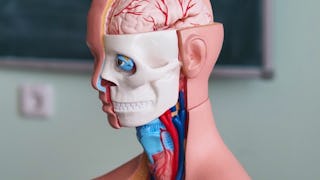
Skills you'll gain: Physiology, Pulmonology, Respiration, Anatomy, Endocrinology, Cardiology, Human Musculoskeletal System, Kinesiology, Nephrology, Biology, Vital Signs, Blood Pressure, Neurology, Urinalysis
 Status: Free Trial
Rice University
Skills you'll gain: Human Musculoskeletal System, Anatomy, Endocrinology, Orthopedics, Kinesiology, Physiology, Neurology, Medical Terminology, Cell Biology, Biology, Chemistry, Clinical Practices, Sports Medicine, Physical Therapy, Molecular, Cellular, and Microbiology, Life Sciences, Lifelong Learning
 Status: Free Trial
University of Michigan
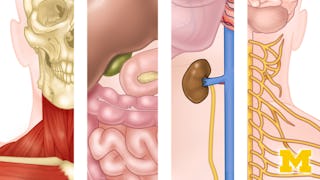
Skills you'll gain: Human Musculoskeletal System, Anatomy, Endocrinology, Pulmonology, Cardiology, Respiration, Gynecology, Hematology, Obstetrics And Gynecology, Orthopedics, Neurology, Urology, Nephrology, Kinesiology, Physiology, Medical Imaging, Sports Medicine, Biology, Medical Terminology, Cell Biology
 Status: Preview
Yale University
Skills you'll gain: Psychology, Child Development, Psychiatry, Mental Health, Human Development, Human Learning, Social Sciences, Behavioral Health, Sociology, Neurology, Critical Thinking, Scientific Methods, Problem Solving
 Status: Free Trial
Skills you'll gain: Medical Terminology, Pathology, Medical Records, Anatomy, Health Information Management and Medical Records, Cell Biology, Physiology, Vital Signs, Biology, Human Musculoskeletal System, Nutrition and Diet
 Status: Free Trial
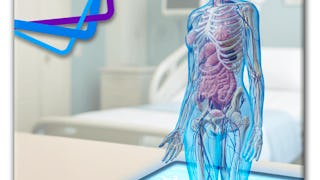
Skills you'll gain: Respiration, Human Musculoskeletal System, Cardiology, Respiratory Care, Pulmonology, Hemodynamics, Clinical Practices, Cell Biology, Physiology, Oxygen Therapy, Anatomy, Endocrinology, Diagnostic Tests, Patient Evaluation, Nephrology, Orthopedics, Pulmonary Function Testing, Cardiac Dysrhythmia, Kinesiology, Interactive Learning
What brings you to Coursera today?
 Status: Free Trial
Rice University
Skills you'll gain: Pulmonology, Obstetrics And Gynecology, Respiration, Anatomy, Urology, Cardiology, Urinalysis, Immunology, Hematology, Hemodynamics, Nephrology, Capillary, Gynecology, Patient Evaluation, Physiology, Pathology, Clinical Nutrition, Medical Terminology, Biology, Lifelong Learning
 Status: Free Trial
National Academy of Sports Medicine
Skills you'll gain: Exercise Science, Kinesiology, Sports Medicine, Human Musculoskeletal System, Respiration, Physiology, Neurology, Mechanics, Injury Prevention, Anatomy, Medical Terminology, Nutrition and Diet
 Status: Preview
University of Pennsylvania
Skills you'll gain: Vital Signs, Respiration, Respiratory Care, Pulmonology, Pain Management, Physiology, Health Assessment, Cardiology, Thermal Management, Neurology, Patient Evaluation, Anatomy, Clinical Assessment
 Status: Free Trial
University of Colorado Boulder
Skills you'll gain: Molecular Biology, Biochemistry, Human Development, Biology, Life Sciences, Environment, Chemistry, Cell Biology, Environmental Issue, Child Development, Environmental Science, Environmental Resource Management, Music, Biotechnology, General Science and Research, Decision Making, Natural Resource Management, Liberal Arts, Oncology, Sustainable Development
 Status: Preview
University of Colorado Boulder
Skills you'll gain: Exercise Science, Kinesiology, Physiology, Sports Medicine, Nutrition and Diet, Pharmacology, Public Health and Disease Prevention, Immunology, Preventative Care, Respiration, Athletic Training, Endocrinology, Chronic Diseases, Vital Signs, Biochemistry, Public Health, Mental Health

 Status: Preview
Duke University
Skills you'll gain: Neurology, Physiology, Anatomy, Cell Biology, Psychology, Pathology, Molecular Biology
What brings you to Coursera today?
In summary, here are 10 of our most popular physiology courses
- Introductory Human Physiology: Duke University
- Human Anatomy & Physiology I: Rice University
- Anatomy: University of Michigan
- Introduction to Psychology : Yale University
- Medical Terminology, Anatomy, and Physiology Fundamentals: MedCerts
- Interactive 3D Anatomy & Physiology: A Gamified Experience: Immersify
- Human Anatomy & Physiology II: Rice University
- Anatomy, Physiology, and Kinesiology for Fitness Professions: National Academy of Sports Medicine
- Vital Signs: Understanding What the Body Is Telling Us: University of Pennsylvania
- Biology Everywhere: University of Colorado Boulder










