Results for "logistic regression"

University of Michigan
Skills you'll gain: Logistic Regression, Model Evaluation, Statistical Inference, Predictive Analytics, R Programming, Predictive Modeling, Probability & Statistics, Statistical Modeling, Statistical Methods, Biostatistics, Regression Analysis, Statistical Analysis, Statistical Hypothesis Testing, Data Analysis, Epidemiology, Descriptive Statistics

Imperial College London
Skills you'll gain: Logistic Regression, Descriptive Statistics, Exploratory Data Analysis, Regression Analysis, Model Evaluation, Statistical Methods, R Programming, Statistical Modeling, Predictive Modeling, Statistical Analysis, Biostatistics, Statistical Software, Predictive Analytics, Probability & Statistics, R (Software), Data Preprocessing, Public Health

Johns Hopkins University
Skills you'll gain: Regression Analysis, Statistical Analysis, Statistical Modeling, Logistic Regression, Data Science, Data Analysis, Statistical Methods, Model Evaluation, Predictive Modeling, Probability & Statistics, Statistical Inference, Statistical Hypothesis Testing, Probability Distribution
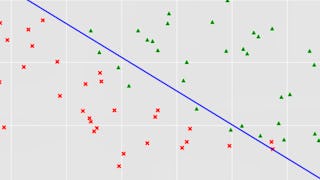
Skills you'll gain: Matplotlib, Seaborn, Exploratory Data Analysis, Logistic Regression, NumPy, Machine Learning Methods, Jupyter, Scikit Learn (Machine Learning Library), Data Science, Machine Learning, Machine Learning Algorithms, Python Programming

Skills you'll gain: Regression Analysis, Statistical Hypothesis Testing, Logistic Regression, Statistical Analysis, Statistical Methods, Correlation Analysis, Predictive Modeling, Supervised Learning, Predictive Analytics, Statistical Modeling, Machine Learning, Model Evaluation, Variance Analysis, Python Programming

Skills you'll gain: Model Evaluation, Logistic Regression, SAS (Software), Predictive Modeling, Regression Analysis, Predictive Analytics, Feature Engineering, Analytics, Statistical Methods, Data Transformation, Statistical Modeling, Statistical Analysis, Business Analytics, Statistical Programming, Estimation, Probability & Statistics, Probability
What brings you to Coursera today?

Skills you'll gain: Descriptive Statistics, A/B Testing, Classification And Regression Tree (CART), Dashboard, Dashboard Creation, Model Evaluation, Model Deployment, Data-Driven Decision-Making, Risk Analysis, Histogram, Statistical Inference, Descriptive Analytics, Simulations, Predictive Modeling, Regression Analysis, Data Visualization, MLOps (Machine Learning Operations), Decision Making, Decision Tree Learning, Keras (Neural Network Library)

Multiple educators
Skills you'll gain: Unsupervised Learning, Supervised Learning, Machine Learning Methods, Model Training, Applied Machine Learning, Machine Learning Algorithms, Transfer Learning, Machine Learning, Jupyter, Data Ethics, Decision Tree Learning, Model Evaluation, Responsible AI, Tensorflow, Scikit Learn (Machine Learning Library), NumPy, Predictive Modeling, Deep Learning, Artificial Intelligence, Classification Algorithms

Skills you'll gain: Unsupervised Learning, Supervised Learning, Model Evaluation, Regression Analysis, Scikit Learn (Machine Learning Library), Machine Learning Methods, Applied Machine Learning, Model Training, Statistical Machine Learning, Predictive Modeling, Machine Learning Algorithms, Machine Learning, Dimensionality Reduction, Decision Tree Learning, Python Programming, Logistic Regression, Model Optimization, Predictive Analytics, Classification Algorithms

Skills you'll gain: Machine Learning Methods, Predictive Modeling, Model Training, Statistical Machine Learning, Machine Learning Software, Model Optimization, Performance Analysis, Performance Metric, Performance Improvement

Skills you'll gain: Model Evaluation, Scikit Learn (Machine Learning Library), Data Visualization, Feature Engineering, Data Preprocessing, Model Training, Customer Analysis, Predictive Modeling, Scientific Visualization, Predictive Analytics, Marketing Analytics, Applied Machine Learning, Online Advertising, Data-Driven Marketing, Logistic Regression, Data Cleansing, Data Manipulation, Machine Learning, Python Programming, Deep Learning

Imperial College London
Skills you'll gain: Logistic Regression, Analytical Skills, Correlation Analysis, Science and Research, Regression Analysis, Sampling (Statistics), Statistical Hypothesis Testing, Data Literacy, Data Analysis, R Programming, Descriptive Analytics, Descriptive Statistics, Statistical Software, Statistical Modeling, Biostatistics, Exploratory Data Analysis, Model Evaluation, Statistical Analysis, Statistical Programming, R (Software)
In summary, here are 10 of our most popular logistic regression courses
- Logistic Regression and Prediction for Health Data: University of Michigan
- Logistic Regression in R for Public Health: Imperial College London
- Regression Models: Johns Hopkins University
- Logistic Regression with NumPy and Python: Coursera
- Regression Analysis: Simplify Complex Data Relationships: Google
- Logistic Regression Fundamentals: Analyze & Predict: EDUCBA
- Statistical Inference & Predictive Modeling Foundations: Coursera
- Machine Learning: DeepLearning.AI
- Machine Learning with Python: IBM
- Optimize AI: Build & Evaluate Predictive Models: Coursera










